erp

Category: Blog

Your blog category

  • Which Competition Is Hardest to Win – Domestic League or UEFA Champions League?

    Football fans often debate whether it is harder to win a domestic league or the UEFA Champions League. Both competitions are extremely difficult in different ways, and success in either requires quality, consistency, and strong mentality.

    Winning a domestic league, such as the English Premier League, requires consistency over a long season. Clubs like Manchester City and Arsenal must perform well across 30+ games, facing different styles of opponents every week. There is little room for error because dropped points over time can cost a team the title. This makes league football a test of endurance, depth, and long-term stability.

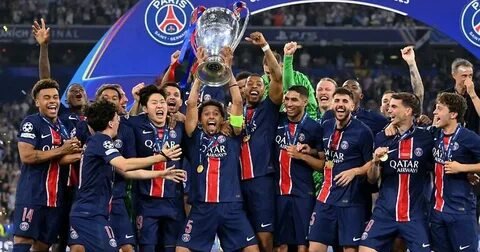
    On the other hand, the Champions League is a knockout-based competition, which makes it unpredictable and high-pressure. A single mistake in a two-legged tie or even one match can eliminate a team. Clubs like Real Madrid have shown exceptional ability in this competition, often performing at their best in crucial moments. Winning the Champions League requires not only skill but also mental strength under pressure.

    Another difference is the level of opponents. In domestic leagues, teams face familiar rivals, but in the Champions League, clubs compete against the best teams from across Europe. This means every stage is filled with elite competition, making the journey to the final extremely tough.
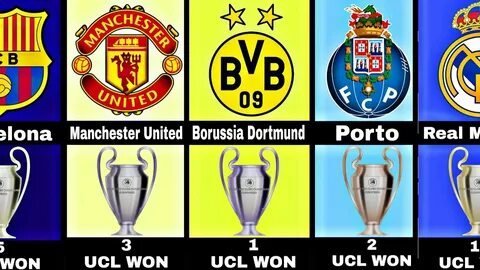
    However, some argue that winning a league is harder because it requires sustained excellence over many months, while the Champions League can sometimes depend on form in key knockout matches. Others believe the Champions League is more difficult because of the quality of opposition and the pressure of elimination games.

    In conclusion, both competitions are extremely challenging but in different ways. The league tests consistency over time, while the Champions League tests performance under pressure against the best teams in Europe. Ultimately, the “hardest” competition depends on what aspect of football difficulty you value most.
  • Club Football vs International Football – Which Is More Competitive?

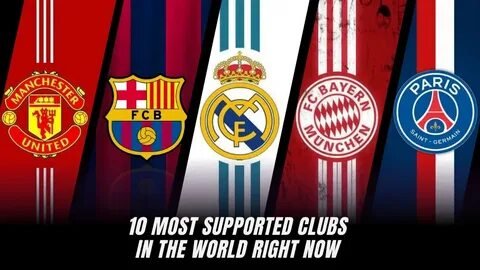
    Most Supported Football Clubs in the World: Top 10 List

    Football is played at two major levels: club football and international football. Club football involves teams competing in domestic leagues and continental tournaments, while international football involves national teams representing their countries in competitions like the FIFA World Cup. Both levels are highly competitive, but they differ in structure, intensity, and consistency.

    Club football is often considered more competitive because it is played throughout the year. In leagues such as the English Premier League, teams play many matches across a long season, which allows for consistency, tactical development, and squad depth to be tested. Clubs like Manchester City and Real Madrid face strong opposition regularly, making every game important.

    International football, on the other hand, is played less frequently but carries huge emotional and national significance. Tournaments like the World Cup bring together the best players from each country, making the quality of competition extremely high. However, national teams have less time to train together, which can affect tactical cohesion and consistency compared to club teams.

    Another key difference is squad stability. Club teams play together every week, allowing better chemistry and understanding between players. International teams change their squads more often, as selections depend on national eligibility rather than long-term teamwork. This can make club football more structured and tactical.

    However, international football has its own unique competitiveness. Winning a major tournament like the World Cup is extremely difficult because it happens only every four years, and one bad game can eliminate a team. The pressure of representing an entire country also adds to the intensity.

    In conclusion, club football is generally more competitive in terms of consistency and overall quality throughout a season, while international football is more intense and high-stakes in short tournaments. Both levels are important and together they make football the global sport that it is today.

  • English Premier League vs Other Top European Football Leagues

    The English Premier League is widely considered one of the most competitive football leagues in the world. However, it is often compared with other top European leagues such as Spain’s La Liga, Italy’s Serie A, and Germany’s Bundesliga. Each league has its own style, strengths, and level of competition, making comparisons a popular topic among football fans.

    One of the biggest strengths of the Premier League is its competitiveness. Unlike some other leagues where a few teams dominate, the Premier League often has multiple clubs fighting for the title and European qualification. Teams like Manchester City, Liverpool, and Arsenal regularly compete at the top level, making the league unpredictable and exciting.

    In contrast, Spain’s La Liga has historically been dominated by clubs like Real Madrid and FC Barcelona. While the league produces high-quality football, the title race is often less competitive compared to the Premier League. However, La Liga is known for its technical and tactical style of play.

    Germany’s Bundesliga is famous for its attacking football and strong fan culture. Clubs like Bayern Munich have dominated the league for many years, which has made it less competitive at the top, but still very entertaining due to high goal-scoring matches and strong youth development systems.

    Italy’s Serie A is known for its tactical discipline and defensive strength. Clubs such as Juventus, AC Milan, and Inter Milan have rich histories in European competitions, and the league has experienced a revival in recent years with more competitive title races.

    Another major difference between these leagues is financial power. The Premier League is the richest football league in the world, allowing its clubs to attract top players and managers. This financial strength contributes to its global popularity and high-quality matches every week.

    In conclusion, while all top European leagues have their unique qualities, the Premier League stands out for its competitiveness, financial strength, and global appeal. However, leagues like La Liga, Bundesliga, and Serie A each offer different styles of football that continue to make European football diverse and exciting.

  • The Role of Money in Modern Football Clubs (Transfers, Wages, and Sponsorships)

    Money has become one of the most important factors in modern football. Today, the success of many clubs depends not only on talent and coaching but also on financial power. Clubs like Manchester City and Paris Saint-Germain show how strong financial backing can transform a team into a global football powerhouse.

    One major area where money plays a key role is player transfers. Clubs spend huge amounts to sign top players from around the world. These transfers can instantly improve a team’s performance, but they also create pressure to deliver results. In modern football, transfer fees have reached record levels, making it difficult for smaller clubs to compete with richer teams.

    Wages are another important factor. Top players now earn extremely high salaries, and clubs must balance paying competitive wages with maintaining financial stability. This has led to a situation where wealthier clubs are able to attract and keep the best talent, while smaller clubs often struggle to retain their star players.

    Sponsorship deals also play a major role in football finances. Clubs partner with global brands to generate income through shirt sponsorships, stadium naming rights, and advertising. These deals help clubs fund transfers, pay wages, and invest in facilities. The global popularity of leagues like the English Premier League has made sponsorship even more valuable.

    In conclusion, money has a huge influence on modern football. It affects transfers, player wages, and sponsorship deals, shaping the success and competitiveness of clubs. While talent and teamwork are still important, financial strength often determines which clubs dominate the modern game

  • Real Madrid vs FC Barcelona – The El Clásico Rivalry

    The rivalry between Real Madrid and FC Barcelona, known as El Clásico, is one of the biggest and most intense in world football. It is more than just a match between two successful clubs; it represents a clash of history, culture, and identity. Every time these two teams meet, millions of fans around the world tune in, making it one of the most watched sporting events globally.

    The origins of this rivalry go beyond football. Real Madrid has traditionally been associated with Spanish central power, while Barcelona represents Catalan identity and pride. This cultural and political background has added extra intensity to their encounters, making each match highly emotional and significant.

    On the pitch, El Clásico has featured some of the greatest players in football history. Legends like Lionel Messi and Cristiano Ronaldo elevated the rivalry to another level during their time at the clubs. Their individual brilliance and competition for dominance made matches even more exciting and memorable.

    Both clubs have enjoyed periods of dominance, winning major trophies such as the UEFA Champions League and domestic league titles. Their constant battle for success has kept the rivalry alive and competitive over the years.

    In conclusion, El Clásico is not just a football match but a global event that brings together passion, history, and elite competition. The rivalry between Real Madrid and Barcelona continues to define football at the highest level and remains one of the most exciting fixtures in the sport.

  • The History and Success of Real Madrid in European Football

    Real Madrid is widely regarded as the most successful club in European football history. Founded in 1902, the club quickly established itself as a dominant force, but its true rise to global fame began in European competitions. From the early days of continental football, Real Madrid set the standard for excellence and success.

    The club dominated the early years of the UEFA Champions League (formerly the European Cup), winning the first five editions from 1956 to 1960. This incredible achievement helped build the club’s reputation as a powerhouse in Europe. Legendary players like Alfredo Di Stéfano played a key role in establishing this dominance and creating a winning culture.

    Over the decades, Real Madrid has continued to succeed at the highest level. The club has won the Champions League more times than any other team, with memorable victories in different eras. In recent years, players such as Cristiano Ronaldo helped the team secure multiple titles, including a historic run of three consecutive Champions League wins between 2016 and 2018.

    One of the reasons for Real Madrid’s continued success is its ability to rebuild and remain competitive. The club consistently signs top talents while also developing strong squads capable of competing against the best teams in Europe. Its winning mentality and high expectations push players to perform at their best in crucial matches.

    In conclusion, Real Madrid’s history and success in European football are unmatched. Through decades of dominance, legendary players, and a strong culture of winning, the club has established itself as the king of European competitions and a symbol of excellence in world football.

  • The Rise of Top Clubs in the English Premier League

    The rise of top clubs in the English Premier League is one of the most fascinating developments in modern football. Since its formation in 1992, the league has grown into the most popular and competitive football league in the world. Clubs like Manchester United, Chelsea, Manchester City, and Liverpool have all played major roles in shaping its global success.

    One key factor behind this rise is strong financial investment. Wealthy owners and sponsorship deals have allowed clubs to sign top players and hire world-class managers. For example, the transformation of Chelsea and Manchester City into dominant teams was largely driven by significant financial backing, which helped them compete at the highest level both domestically and in Europe.

    Another important reason is the global broadcasting of the league. The Premier League is watched by millions of fans across different continents, making its clubs internationally recognized. This exposure has helped teams build massive fan bases, especially in regions like Africa and Asia, where football is extremely popular.

    Competition within the league has also contributed to the rise of these clubs. Unlike some other leagues, the Premier League is known for its unpredictability, where multiple teams can challenge for the title. This competitiveness pushes clubs to improve constantly, leading to higher standards and better performances.

    Most Premier League Champions * Top 10 Club With Most English Football League Ch

    Additionally, the presence of top managers and talented players has elevated the quality of football. Coaches bring different tactical styles, while players deliver exciting performances that attract global attention. This combination of talent and strategy has made the league entertaining and highly respected.

    In conclusion, the rise of top clubs in the English Premier League is a result of financial strength, global exposure, intense competition, and high-quality football. These factors have turned the league into a global powerhouse and made its clubs some of the most successful and popular in the world.

  • The Decline and Rebuilding Phases of Big Football Clubs

    Even the biggest football clubs in the world are not immune to decline. Teams that once dominated competitions can struggle due to poor management decisions, aging squads, financial issues, or changes in leadership. Clubs like Manchester United and AC Milan have experienced periods where results dropped and expectations were no longer met, showing that success in football is never permanent.

    One common cause of decline is the departure of influential managers or key players. For example, when long-serving figures such as Alex Ferguson leave, clubs often struggle to maintain the same level of performance. Without strong leadership and a clear vision, even the most successful teams can lose their identity and direction.

    Rebuilding a club requires patience, planning, and smart decision-making. Clubs often invest in young talents, restructure their management, and adopt new playing styles to return to the top. For instance, FC Barcelona has gone through rebuilding phases by promoting youth players and reshaping its squad after periods of decline.

    Financial management also plays a crucial role in recovery. Clubs must balance spending with long-term sustainability, ensuring that they do not fall into deeper problems while trying to compete at the highest level. Strategic signings and proper development systems are often more effective than simply spending large amounts of money.

    In conclusion, decline is a natural phase in football, but it is how clubs respond that defines their future. The ability to rebuild successfully separates great clubs from the rest, proving that resilience and good planning are just as important as talent on the pitch.

  • How Manchester United Became a Global Brand

    BBC World Service - World Business Report, Manchester United signed £ 900m kit d

    Manchester United’s journey to becoming a global brand is a story of consistent success, strong identity, and smart decision-making. From its early beginnings, the club built a reputation for exciting football and a deep connection with its fans. Over time, this foundation helped it grow beyond England and attract attention from all over the world.

    A major turning point came during the era of Alex Ferguson, under whom the club achieved remarkable success. Winning multiple league titles and the UEFA Champions League made Manchester United one of the most recognized teams globally. Success on the pitch naturally drew in millions of supporters and increased the club’s international visibility.

    Another key factor in the club’s global rise was its association with star players like David Beckham and Cristiano Ronaldo. These players were not only talented but also influential figures off the pitch, helping to attract fans who followed them as much as the club itself. Their presence strengthened Manchester United’s image as a club of global icons.

    In addition to football success, the club invested heavily in marketing and commercial activities. Through sponsorship deals, merchandise sales, and international tours, Manchester United expanded its reach across continents. The global broadcasting of the English Premier League also played a huge role in making the club a household name.

    Today, Manchester United remains one of the biggest football brands in the world, with millions of fans across different countries. Its ability to combine sporting excellence with business strategy has ensured its place not just in football history, but in global culture as well.

  • Hello world!

    Welcome to WordPress. This is your first post. Edit or delete it, then start writing!