Football fans often debate whether it is harder to win a domestic league or the UEFA Champions League. Both competitions are extremely difficult in different ways, and success in either requires quality, consistency, and strong mentality.
Winning a domestic league, such as the English Premier League, requires consistency over a long season. Clubs like Manchester City and Arsenal must perform well across 30+ games, facing different styles of opponents every week. There is little room for error because dropped points over time can cost a team the title. This makes league football a test of endurance, depth, and long-term stability.
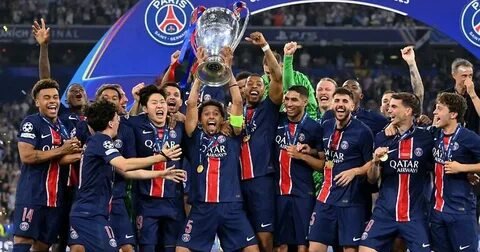
On the other hand, the Champions League is a knockout-based competition, which makes it unpredictable and high-pressure. A single mistake in a two-legged tie or even one match can eliminate a team. Clubs like Real Madrid have shown exceptional ability in this competition, often performing at their best in crucial moments. Winning the Champions League requires not only skill but also mental strength under pressure.
Another difference is the level of opponents. In domestic leagues, teams face familiar rivals, but in the Champions League, clubs compete against the best teams from across Europe. This means every stage is filled with elite competition, making the journey to the final extremely tough.
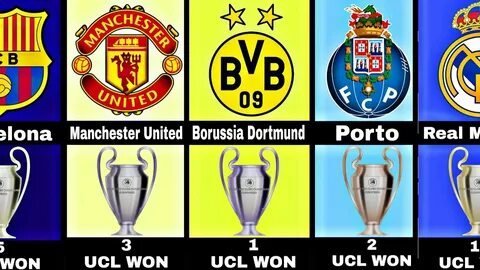
However, some argue that winning a league is harder because it requires sustained excellence over many months, while the Champions League can sometimes depend on form in key knockout matches. Others believe the Champions League is more difficult because of the quality of opposition and the pressure of elimination games.
In conclusion, both competitions are extremely challenging but in different ways. The league tests consistency over time, while the Champions League tests performance under pressure against the best teams in Europe. Ultimately, the “hardest” competition depends on what aspect of football difficulty you value most.